
 Calculator
Transportation has always been a cornerstone of human progress, evolving from horse-drawn carriages to sleek electric cars and beyond. As we stand on the brink of a new era, the next five decades promise to redefine how we move from place to place. From autonomous vehicles to hyperloop systems, here’s a glimpse into what the future of transportation might hold.
1. Autonomous Vehicles: The Dawn of Self-Driving Cars
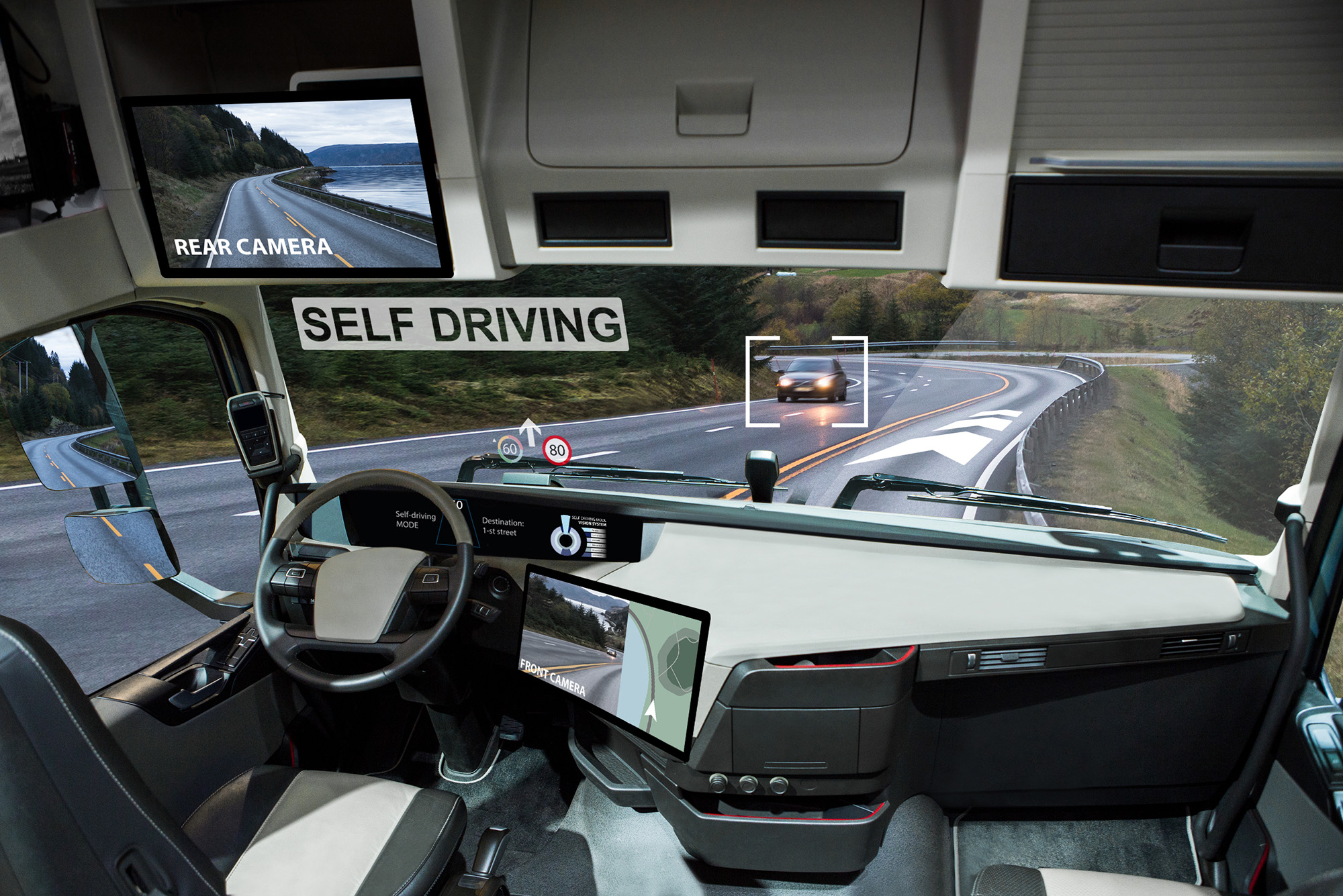
The rise of autonomous vehicles (AVs) is set to transform our daily commutes and long-distance travel. Over the next 50 years, we can expect:
- Full Autonomy: While today’s AVs are in varying stages of automation, future vehicles will achieve full autonomy, with Level 5 technology allowing them to operate without any human intervention.
- Integration with Smart Cities: Autonomous vehicles will seamlessly integrate with smart city infrastructure, optimizing traffic flow, reducing congestion, and enhancing safety through real-time data exchange.
- Diverse Applications: Expect to see AVs in various forms, including personal cars, shared rides, and freight transportation, all operating with high efficiency and safety.
2. Electric and Alternative Fuel Vehicles: Driving Sustainability
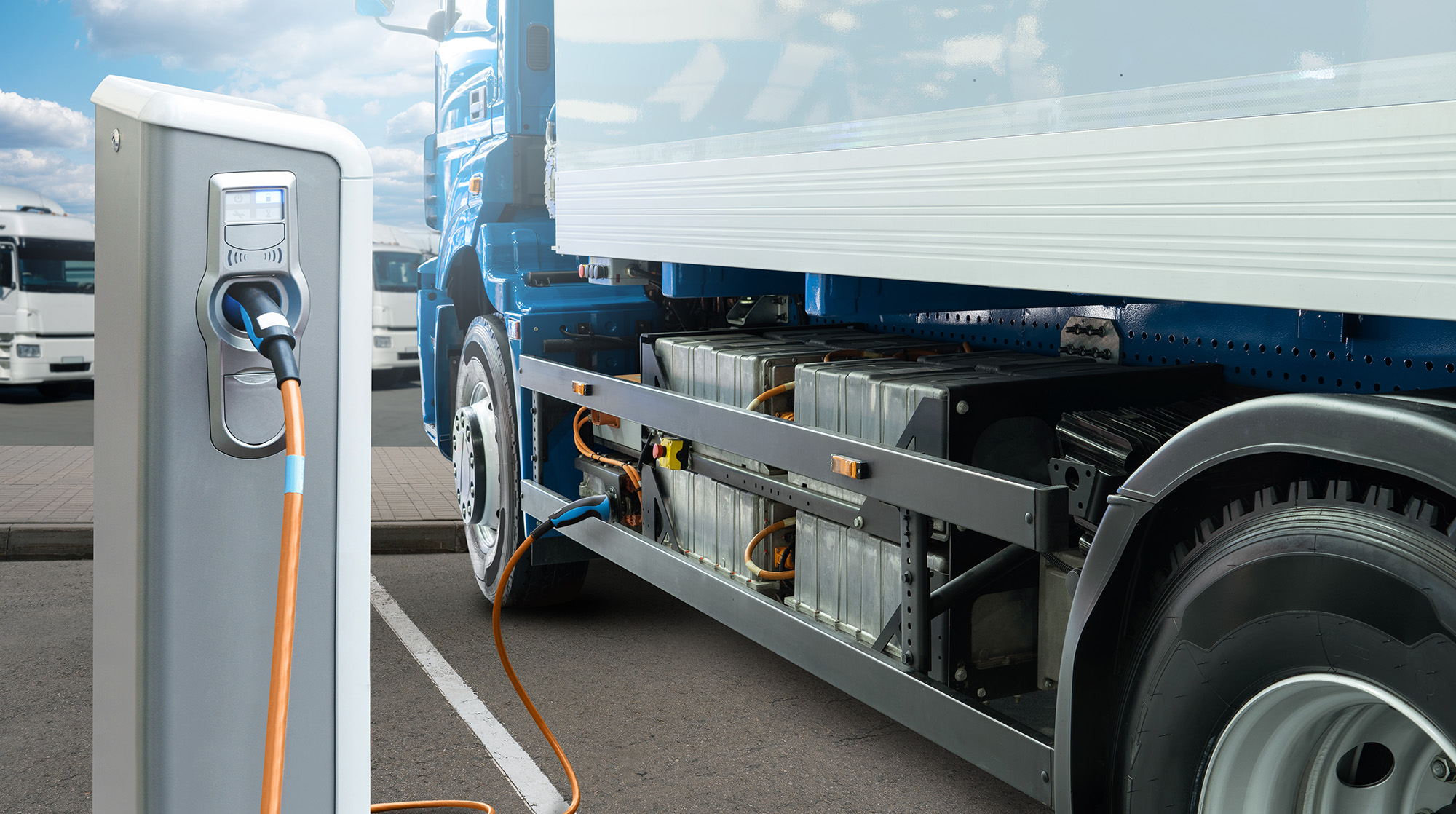
As the world grapples with climate change, electric and alternative fuel vehicles will play a crucial role in reducing our carbon footprint.
- Widespread Electric Vehicles (EVs): By 2074, EVs will likely dominate the market, powered by advanced battery technologies that offer longer ranges and faster charging times.
- Hydrogen Fuel Cells: Hydrogen fuel cell vehicles will gain traction, especially for heavy-duty applications like trucks and buses, offering a zero-emission alternative to traditional fuels.
- Solar-Powered Vehicles: Solar technology will evolve to power vehicles, reducing reliance on external charging sources and making energy production more sustainable.
3. Hyperloop and High-Speed Transit: Revolutionizing Long-Distance Travel
Hyperloop technology, which aims to transport passengers through low-pressure tubes at incredibly high speeds, could revolutionize long-distance travel.
- High-Speed Tubes: Hyperloop systems will connect major cities, drastically reducing travel times and offering a fast, efficient alternative to airplanes and trains.
- Vacuum Trains: Innovations in vacuum tube transportation will enable speeds exceeding 700 mph, transforming how we perceive distance and time.
- Urban Air Mobility: Flying cars and drones will emerge as viable options for urban transportation, reducing congestion and providing new ways to navigate densely populated areas.
4. Connected and Smart Vehicles: The Age of Intelligent Transportation
The future of transportation will be heavily influenced by connectivity and intelligence.
- Vehicle-to-Everything (V2X) Communication: Vehicles will communicate with each other, infrastructure, and pedestrians to enhance safety and efficiency. Real-time updates will help prevent accidents and optimize travel routes.
- Artificial Intelligence: AI will drive decision-making in transportation, from optimizing traffic flow to personalizing travel experiences. AI systems will predict maintenance needs, enhance navigation, and improve overall vehicle performance.
- Enhanced User Interfaces: Advanced interfaces, including augmented reality (AR) dashboards and voice-controlled systems, will make interaction with vehicles more intuitive and user-friendly.
5. Sustainable and Eco-Friendly Design: Redefining Vehicle Aesthetics
Future transportation will prioritize sustainability not just in how vehicles are powered, but also in their design and materials.
- Green Manufacturing: Vehicles will be produced using sustainable practices, including recyclable materials and energy-efficient processes.
- Eco-Friendly Materials: Expect to see vehicles made from biodegradable or recycled materials, reducing environmental impact and enhancing the lifecycle of automotive components.
- Aerodynamic and Lightweight Designs: Future vehicles will feature designs that optimize aerodynamics and reduce weight, improving efficiency and performance.
6. Personalization and Customization: Tailoring the Travel Experience
As technology advances, personalization will become a key feature of future transportation.
- Adaptive Interiors: Vehicle interiors will adapt to individual preferences, offering customizable settings for seating, lighting, and climate based on passenger profiles.
- On-Demand Features: Features and services will be available on-demand, allowing users to tailor their travel experience to their needs, whether for work, relaxation, or entertainment.
- Health and Wellbeing: Vehicles will incorporate wellness technologies, such as air purification systems, ergonomic designs, and stress-reducing features, to enhance passenger comfort and health.
Conclusion: Embracing the Future of Transportation
The next five decades will bring profound changes to how we think about transportation. As technology advances, we will see a shift towards more sustainable, efficient, and intelligent vehicles. From self-driving cars to hyperloop systems and eco-friendly designs, the future of transportation promises to be exciting and transformative. Embracing these innovations will not only enhance our mobility but also contribute to a more sustainable and connected world.
Stay tuned, because the journey into the future of transportation is just beginning!