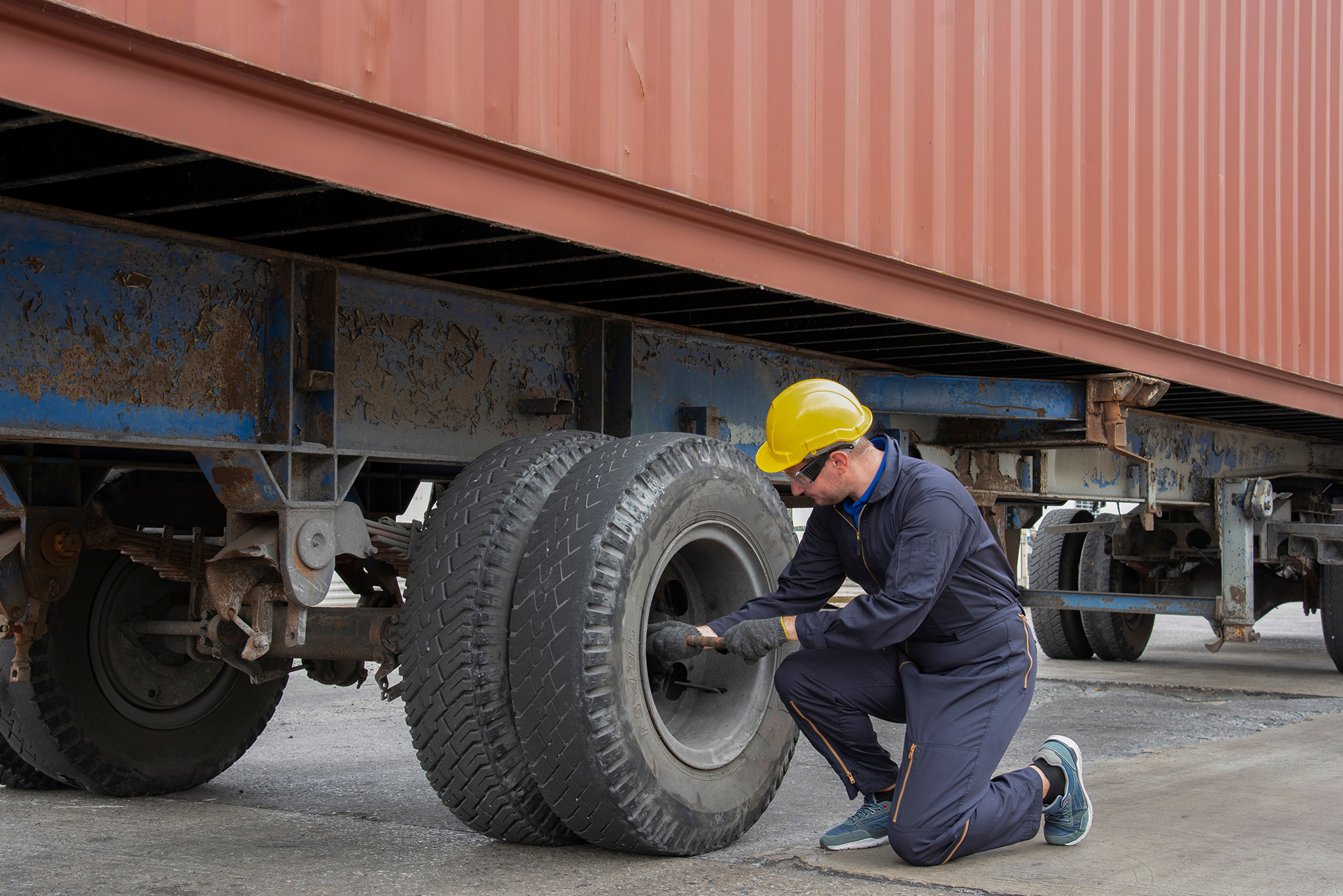
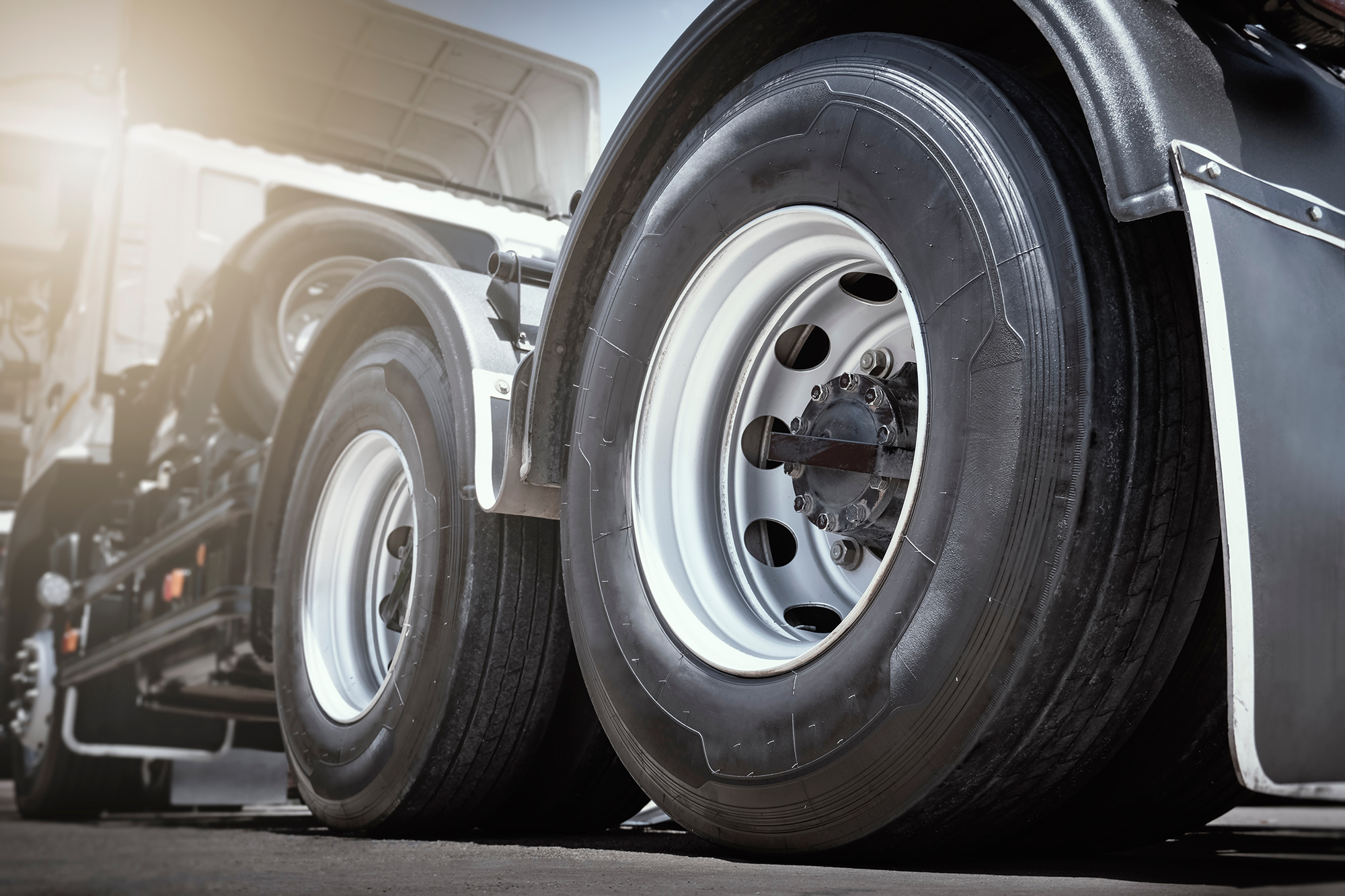
In the tire and wheel industry, torque specs are part of everyday service. Whether wheels are being installed in a dealership, fleet shop, or roadside service call, technicians rely on torque values to ensure wheels are properly secured.
But torque is only part of the story.
Behind every torque specification is something more important: clamping force — the actual force keeping the wheel securely mounted to the hub.
Understanding how these two work together helps reduce wheel-off risks, prevent component damage, and improve long-term wheel performance.
What Is Torque?
Torque is the rotational force applied when tightening lug nuts or wheel fasteners.
It’s the value technicians measure using a torque wrench and is typically expressed in foot-pounds (ft-lb) or Newton-meters (Nm).
Torque specifications allow technicians across different locations and service environments to install wheels consistently according to manufacturer requirements.
What Is Clamping Force?
Clamping force is the pressure created when tightened fasteners pull the wheel tightly against the hub.
As lug nuts are tightened, wheel studs stretch slightly, generating tension that clamps all mating surfaces together. This clamping action prevents movement between the wheel and hub during operation.
Simply put:
Torque is the installation method.
Clamping force is the result that secures the wheel.
Why Torque Alone Doesn’t Tell the Whole Story
Two wheels tightened to the same torque specification do not always produce the same clamping force. Several real-world factors influence the outcome.
Friction at the Fastener Interface
A significant portion of applied torque is lost overcoming friction between:
-
threads
-
nut or washer surfaces
-
wheel and hub contact areas
Corrosion, debris, or surface damage can change how torque translates into holding force.
Lubrication Conditions
Lubricated studs require less torque to achieve the same clamping force compared to dry threads.
Applying lubrication without accounting for manufacturer recommendations can unintentionally increase stud tension beyond intended limits.
Hardware Condition
Worn or damaged studs and nuts create inconsistent torque-to-clamp relationships. Even when torque values appear correct, uneven clamping force can lead to wheel movement or loosening over time.
Why Clamping Force Matters in Heavy-Duty Applications
Commercial trucks and fleets operate under constant vibration, heavy loads, and long service intervals. In these environments, proper clamping force is critical for:
-
maintaining wheel retention
-
minimizing stud fatigue
-
preventing wheel walk and fastener loosening
-
reducing maintenance-related downtime
Torque procedures exist to achieve consistent clamping force under real operating conditions.
Why Torque Remains the Industry Standard
Directly measuring clamping force requires specialized equipment not practical for daily service operations.
Torque remains the industry standard because it provides a repeatable and efficient way to achieve reliable results when proper installation practices are followed.
Best Practices for Consistent Wheel Installation
Achieving proper clamping force depends on more than reaching a torque number.
Follow manufacturer torque specifications
Specifications are engineered for specific wheel, stud, and hub designs.
Maintain consistent thread conditions
Follow guidance regarding dry or lubricated fasteners.
Use calibrated torque tools
Torque wrenches should be regularly inspected and calibrated.
Apply torque using the correct pattern
A cross-pattern tightening sequence helps distribute load evenly.
Avoid over-torquing
Excess torque can stretch studs beyond their designed range, increasing the risk of future failure.
Supporting Long-Term Wheel Performance
Proper wheel installation plays a key role in overall vehicle performance and maintenance reliability. Consistent clamping force helps ensure wheels remain secure despite vibration, load variation, and road conditions experienced in commercial operations.
At Counteract, we understand that wheel performance depends on the entire system working together — from proper installation practices to ongoing wheel and tire maintenance.
Torque and clamping force are closely related, but they serve different purposes.
Torque is the controlled input technicians apply during installation.
Clamping force is the outcome that keeps equipment operating safely on the road.
By focusing on proper installation procedures and consistency across service operations, fleets and technicians can improve safety, extend component life, and keep vehicles running efficiently mile after mile.