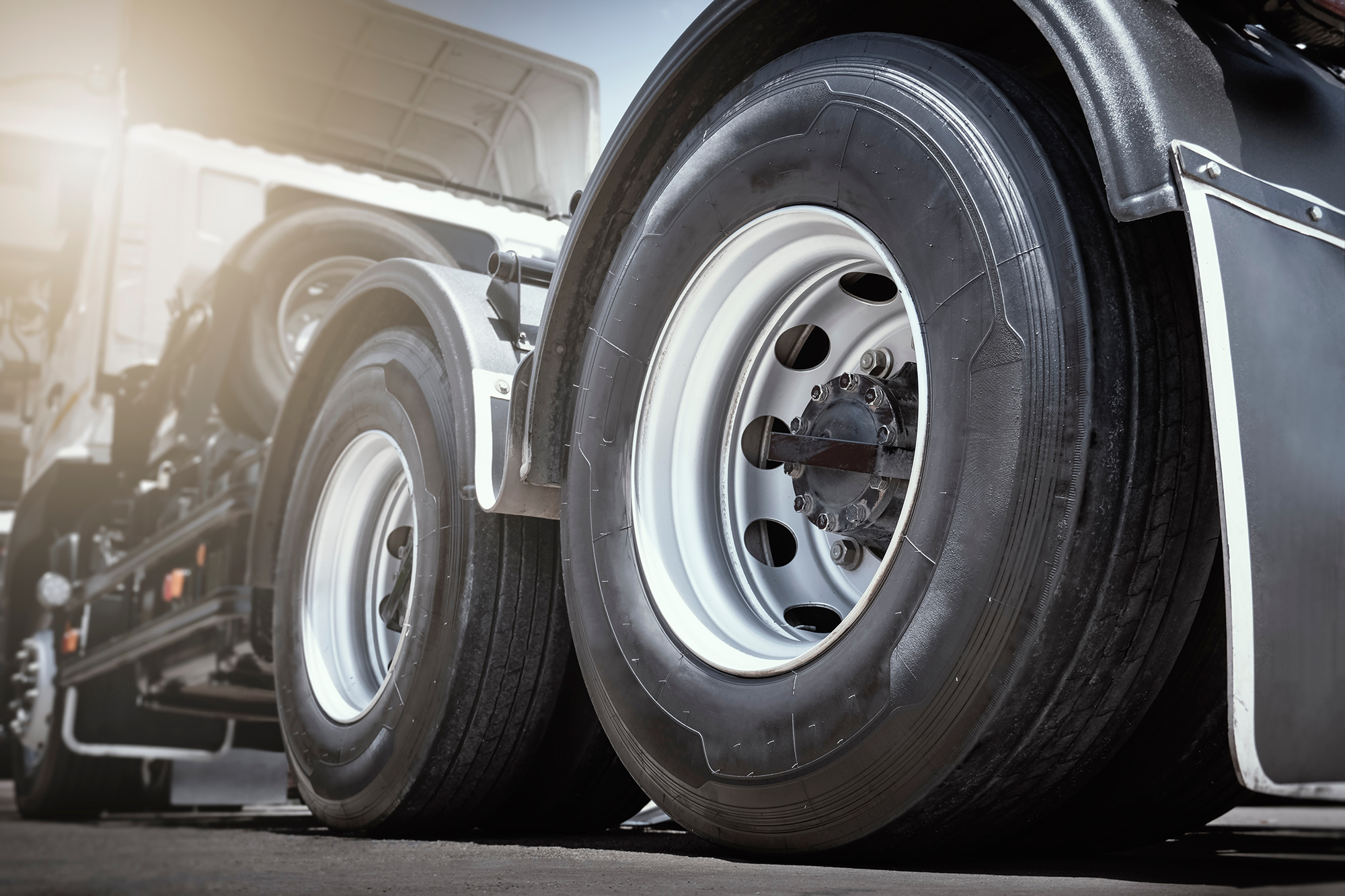
Tires are one of the most critical safety components on any commercial vehicle. Despite this, tire-related violations consistently rank among the most common citations issued during roadside inspections and DOT audits. These violations not only increase the risk of accidents, but can also lead to out-of-service orders, fines, and higher CSA scores.
Below are some of the most common tire violations affecting commercial vehicles—and what fleets and drivers can do to prevent them.

1. Insufficient Tread Depth
One of the most frequently cited tire violations is inadequate tread depth.
Federal requirements include:
-
Steering axle tires: Minimum of 4/32 inch
-
All other tires: Minimum of 2/32 inch
Worn tires reduce traction, increase stopping distances, and raise the risk of hydroplaning. Regular tread measurements—not just visual checks—are essential for staying compliant.
Prevention tip: Use a tread depth gauge during pre-trip inspections and replace tires before they reach the legal minimum.
2. Tire Damage (Cuts, Bulges, and Exposed Cords)
Any tire with the following conditions is considered unsafe and may result in an immediate out-of-service order:
-
Exposed fabric or steel cords
-
Sidewall bulges
-
Deep cuts or cracks
Prevention tip: Train drivers to inspect both the inner and outer sidewalls and report any visible damage before operating the vehicle.
3. Improper Tire Inflation
Underinflated and overinflated tires are common issues that often go unnoticed.
Risks include:
-
Increased blowout potential
-
Uneven tread wear
-
Reduced fuel efficiency
Improper inflation can also negatively affect vehicle handling and braking performance.
Prevention tip: Check tire pressure when tires are cold and follow the manufacturer’s recommended PSI—never rely on visual judgment alone.
4. Tire Mismatch on Axles
Commercial vehicles are required to have matching tires on the same axle. Violations may occur due to differences in:
-
Tire size
-
Load rating
-
Construction (radial vs. bias-ply)
Mismatched tires can cause uneven weight distribution and place excessive stress on drivetrain components.
Prevention tip: Verify tire specifications during replacements and avoid mixing tire types on the same axle.
5. Flat or Leaking Tires
A flat tire or one that is actively losing air is a serious safety concern and often results in an out-of-service violation.
Prevention tip: Address slow leaks immediately and never operate a vehicle with known air loss issues.
6. Recapped or Retreaded Tire Violations
While retreaded tires are legal in most positions, they are not permitted on steering axles. In addition, improperly applied or damaged retreads can lead to violations.
Prevention tip: Use retreads only in approved positions and inspect them regularly for signs of separation or peeling.
7. Tire Contact or Rubbing
Tires that rub against the following components can fail quickly and are a common inspection issue, especially on tandem axles:
-
Vehicle frame
-
Suspension components
-
Other tires
Prevention tip: Check for proper tire spacing and suspension alignment during routine maintenance.
Why Tire Compliance Matters
Tire-related violations can result in:
-
Out-of-service orders
-
Increased CSA scores
-
Costly roadside delays
-
Higher accident risk
By prioritizing tire maintenance, fleets can improve safety, reduce downtime, and protect their bottom line.
Consistent inspections, proper maintenance, and ongoing driver education are the best defenses against tire-related violations. Addressing small issues early can help prevent major problems on the road—and during inspections.